Yale University Press

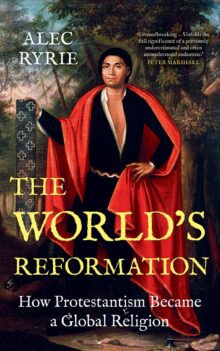
The World’s Reformation: How Protestantism Became a Global Religion, by Alec Ryrie

The World’s Reformation: How Protestantism Became a Global Religion, by Alec Ryrie

A nuanced and globe-spanning examination of how Protestantism’s often chaotic missionary efforts helped shape the early modern world.

In a secular age, religious history can feel slightly tangential and recondite, particularly when set against the commercial and colonial designs of fledgling empires in the early modern age. Very well, except that is missing the point. Reformation Europe remains a...
The World’s Reformation

The World’s Reformation

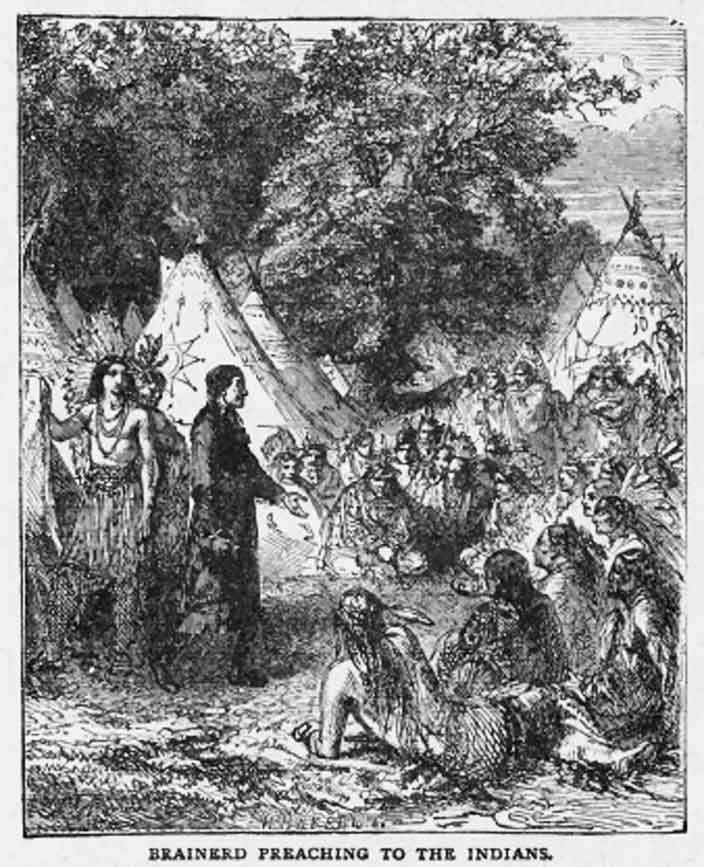
An exploration of the forgotten global ambitions of Protestantism, showing how missionaries sought to spread their faith far and wide, their patchy success an indication of the imaginative limits of early modern Europeans.
Alec Ryrie

In April 1521, three famous subjects of the Holy Roman Emperor Charles V were risking their lives on three different continents. Martin Luther was standing before the emperor in person at the Diet of Worms, where he defied all the powers of Europe in the name of...

A Battle in Myth and Blood

A Battle in Myth and Blood

Outnumbered, isolated and feared, the Assassins and the Templars became two of the medieval world’s most formidable organisations despite being on opposite sides of the crusades.
Steve Tibble

‘We are oppressed and not oppressors’ Letter from the Old Man of the Mountain to Saladin Amongst the minor groups that most contemporaries in the medieval Middle East would initially have nominated as ‘least likely to succeed’ were a small, unpopular band of Shi’ite...

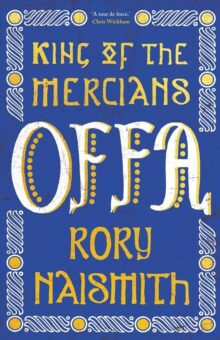
Offa: King of the Mercians, by Rory Naismith

Offa: King of the Mercians, by Rory Naismith

A worthy re-evaluation of the reign of Offa, showing through varied evidence how his power shaped Mercia’s dominance and early English state formation.

When studying Anglo-Saxon history at university, it often felt to me that (with apologies to East Anglia), Mercia was left holding the thin end of the wedge in terms of the big three kingdoms of the Heptarchy. With Northumbria to the north and Wessex to the south, it...

Offa: King of the Mercians – Rory Naismith Interviewed

Offa: King of the Mercians – Rory Naismith Interviewed

The historian discusses his new portrait of Offa with Paul Bernardi, dissecting the obstacle of limited sources, projections of kingship through coins and monuments, and how the 8th-century monarch laid the groundwork for a united England.
Rory Naismith

Let me begin, Rory, by offering my congratulations on the publication of Offa: King of the Mercians. A truly magnificent piece of work. The jacket notes refer to this book as a ‘breathtaking piece of historical investigation’ (with which I cannot argue); how would you...

Lichfield: England’s Third Archbishop

Lichfield: England’s Third Archbishop

In the age of Offa, a short-lived archbishopric at Lichfield (787–803) reflected the expansion and consolidation of Mercian rule, though later Canterbury sources recast it as a contentious and anomalous creation.
Rory Naismith

The pair of Anglican archbishops at Canterbury and York have been pillars of England’s ecclesiastical establishment for centuries, going back long before the Church of England itself. However, for a brief period between 787 and 803 England had a third archbishopric,...

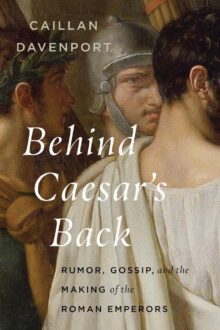
Behind Caesar’s Back: Rumor, Gossip, and the Making of the Roman Emperors, by Caillan Davenport

Behind Caesar’s Back: Rumor, Gossip, and the Making of the Roman Emperors, by Caillan Davenport

Modern-day understanding of the Roman world was frequently shaped by public perception and talk of the emperors played a role in influencing that history.

Caillan Davenport’s Behind Caesar’s Back is, for me, a rare book, in that it covers a subject I have not come across before and therefore opened up all sorts of new research ideas for me. The book investigates examples of gossip and rumour in Rome, from the end of the...

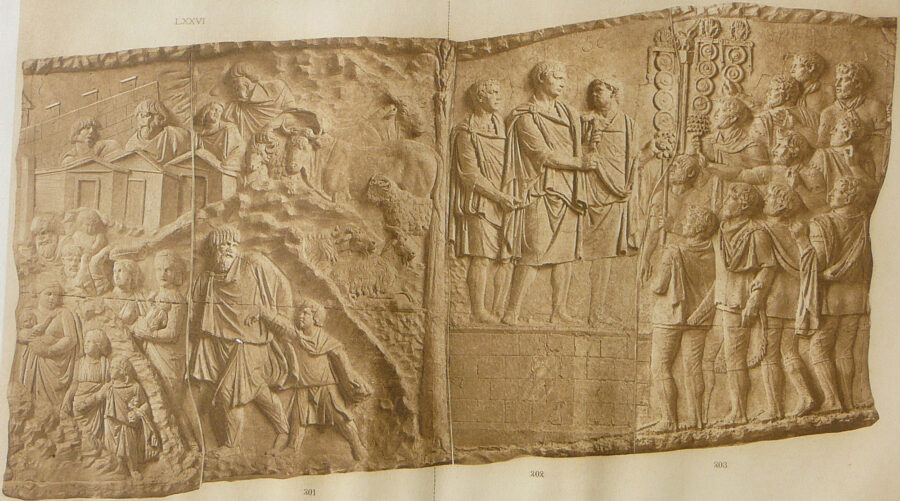
How Did the Romans Respond to the Deaths of their Emperors?

How Did the Romans Respond to the Deaths of their Emperors?

Rumour in the Roman world tended to flourish when it came to the the fate of emperors, threatening imperial stability and exposing public anxiety.
Caillan Davenport

‘Rumour is always more terrifying when it concerns the deaths of the powerful’, wrote the Roman senator and historian Cornelius Tacitus in the early 2nd century CE.  His statement can be equally applied to monarchs and potentates, both dynastic and elected, who, by...