

20th C

Who Will Rescue Us?, by Laura Hobson Faure
An affecting and meticulous study of Jewish child refugees during World War II is based on personal testimony.
This is the story of the Jewish children who fled to America and France on the eve of WW2, thus avoiding incarceration or death in the Holocaust. Based around oral and written testimonies, Who Will Rescue Us? traces the efforts of networks of relief workers and aid...

Wartime Letters: London and Moscow 1941-1945, by Kathleen Harriman
Edited by historian Geoffrey Roberts, the American's letters open up the workings of Allied diplomacy and reveal optimism as she navigates the turning points of the 20th century.
We don’t think of ‘the Harrimans’ as we think of, say, the Kennedys. But maybe we should. For serious students of Anglo-American relations there’s W. Averell Harriman, the diplomat (politician, financier; himself the son of a famous railroad baron) tasked with...

Piercefield: The Time and the Place
The story of Piercefield House near Chepstow, a once-celebrated estate overlooking the River Wye that later fell into ruin.
The setting of a story is vital for a historical novelist, perhaps even more than for those whose books are set in the present. This is for the blindingly obvious reason that a contemporary novel is set in a place or a milieu, whereas a historical novel has not only a...

No More Napoleons: How Britain Managed Europe from Waterloo to World War One, by Andrew Lambert
As debate intensifies over Britain’s role in world security, Andrew Lambert offers a timely reassessment of the country’s 19th-century grand strategy.
It seems apt that the paperback edition of Andrew Lambert’s gripping analysis in No More Napoleons should be published as Britain’s contribution to the preservation of the security of the continent of Europe, and indeed the wider world, is under debate and our very...
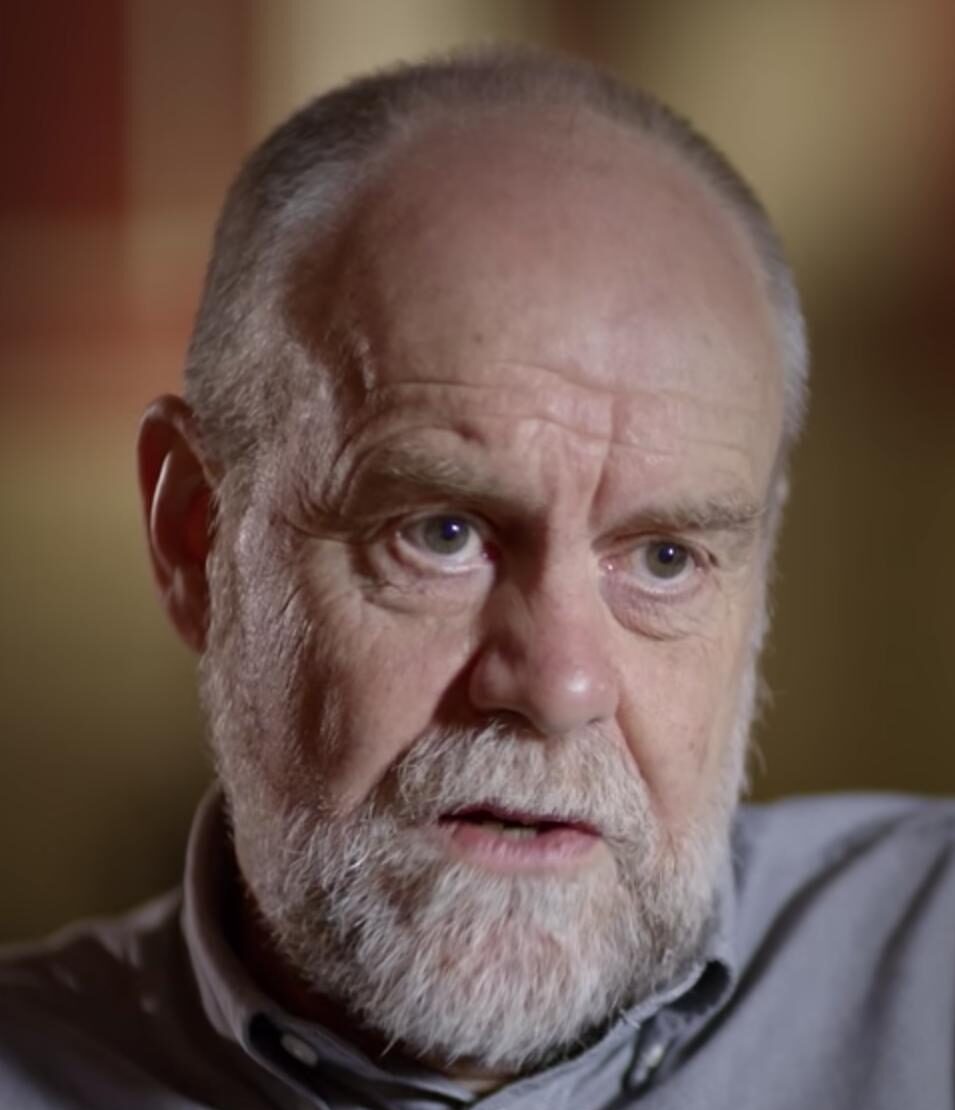
No More Napoleons: Andrew Lambert Interviewed
In examining the 'Wellington System', the naval historian challenges the traditional view of complacent British diplomacy in Europe during the 19th century and up to WW1.
Andrew Lambert, in No More Napoleons, you describe Britain’s strategy between 1815 and 1914 as “book-ended by existential total wars”. What prompted you to reconsider the 19th century not as an age of complacency, but instead a hundred years of vigilance? The tendency...
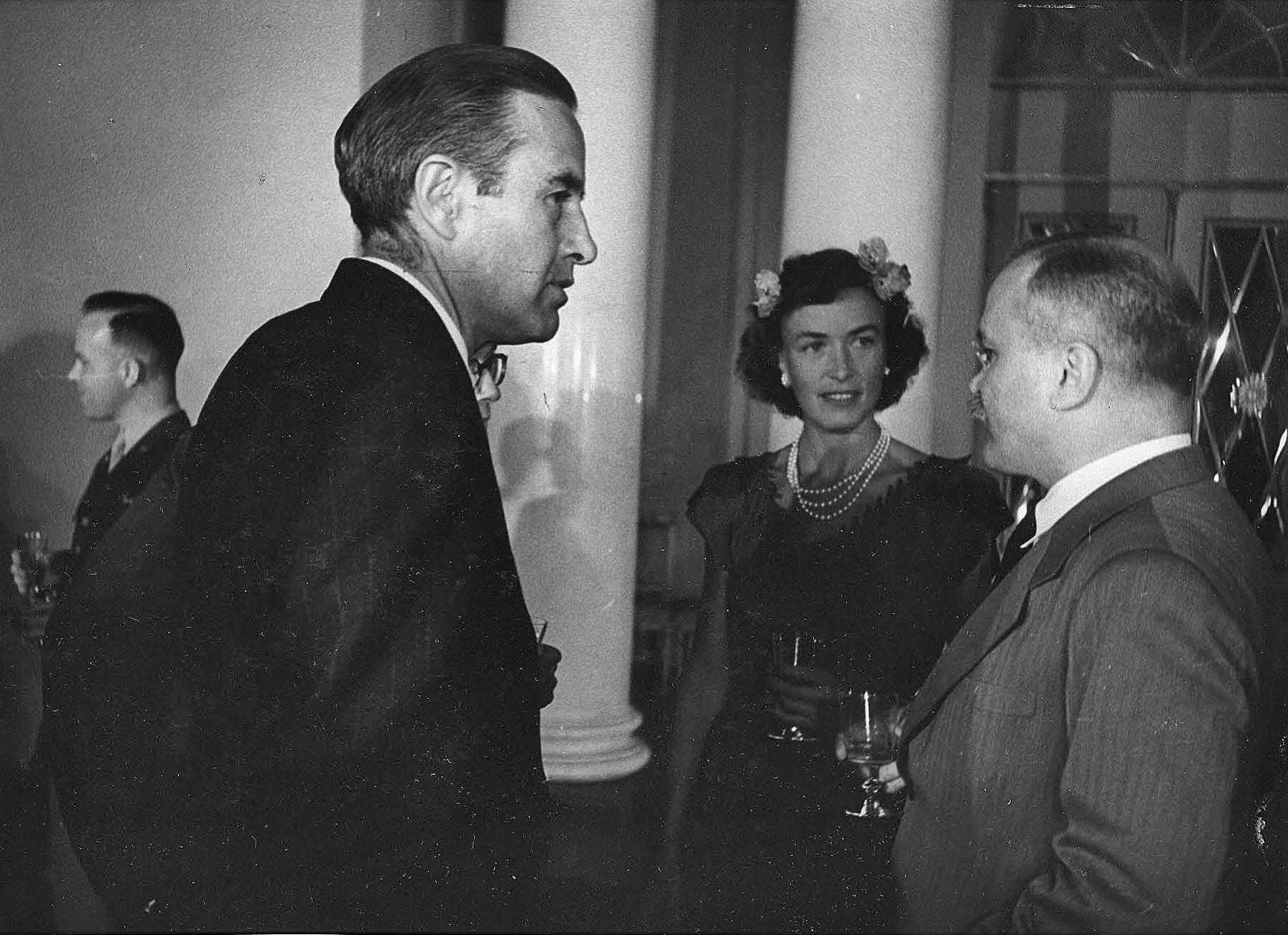
Wartime Letters: Αn Extract
A journalist by background and the daughter of the US ambassador to the USSR, Harriman’s trip out of Moscow evokes the destruction wrought on the Eastern Front in World War Two.
Our Smolensk excursion was quite an event for me – being my first trip out of Moscow… We were first going down there by car, but then plans were changed and a private train was provided – for us, two Foreign Office press officials and a bevy of N.K.V.D. The train was...

Turning Cold Cases Hot with Cryptanalysis
The hidden power of cryptanalysis: how secret codes have helped track mobsters, terrorists, and elusive killers.
At the core of my postwar mystery Devils in Paradise is a secret code, inserted in a rare book stolen by one of America’s former Code Girls. Although I myself have no head for the work, I’ve long been fascinated by the world of code-breaking and especially its unsung...

Sea Power, Strategy, and Europe
By securing the Low Countries and maintaining control of the seas, British statesmen including Wellington created a system that balanced the continent's powers and preserved stability for a century until 1914.
While it is often thought that British military engagement in northwestern Europe ended with Waterloo in 1815 and resumed, a century later, with the First World War in 1914 – with a few periods of invasion anxiety surfacing around the middle of the 19th century –the...

Geoffrey Roberts on Kathleen Harriman’s Wartime Letters
The historian discusses the journalist, diplomat’s daughter and insider to the Allied leadership, her correspondence and daily life in London and Moscow during World War II.
Geoffrey – welcome to Aspects of History. Talk us through the story that led to you compiling and editing this collection of Kathleen Harriman’s letters together. As the tragedy of the 9/11 terror attacks unfolded, I was in the Library of Congress, combing through the...