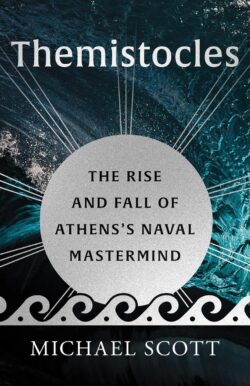
If one was to conceive of Themistocles’ story as an altarpiece (and it seems the eponymous subject did so!), the central image would be a well-known one: the Athenian slipping surreptitiously out of the Greek naval command’s evening deliberations to send his manservant to invite the Persians fleet into the shallows of Attica. The preparations for Salamis that night tethers together what came before and what followed, but Professor Michael Scott’s stirring account of one of ancient history’s canniest operators offers far more than the events on one single evening across the 65 years of his life.
Scott outlines the ambiguity and flux of the late 6th and early 5th century BC in Athens from the outset, whether in discussing Themistocles’ background as a nothos or the collapse of tyranny and the birth of democracy under Cleisthenes. The depictions of the political environment he rose up in is key to grasping this particular career, and the warning signs are always present: just as soon as this fledgling democratic system created unprecedented opportunities for men like Themistocles, it was prone to toppling those same individuals who became too powerful.
The central aim then is to restore a more nuanced view of Themistocles as historical figure, one defined by the other occasions of success, his crucial decision to invest the Laurion mines’ silver windfall in a fleet of triremes and secure Athens’ status as the naval power in Greece. Where there are rises, there are the falls, and Scott bestows upon his readers a Themistocles full of insight, motivation and personality, not least in narrating the instances when his ambitions and personal enmity oppose the worst fears of the Athenians. The explanations of ostracism, the accusations of treason made against him, his exile and eventual service to the Persian King in Asia Minor all combine to complete the painstaking portrait.
Akin to the precarious nature of leadership and success in Athens, the suspicions fostered by Themistocles’ persistent ingenuity and his inclination for realpolitik, the Salamis episode itself is ripe for doubt, then and still now. Whether an attempt to stay the right side of the Persians and cushion the inevitable defeat, or the most cunning ruse by a patriot with local expertise, the proof is inconclusive. But Scott interprets it, convincingly, as a masterstroke based on the evidence later on, the termination to the final act of this Themistoclean drama, his choice to commit suicide when asked to go against Greece and make preparations to invade on behalf of his once-enemies.
Scott has achieved one of the hardest tasks for an ancient historian, this portrayal possessing accessibility, narrative zip and a desirable balance between the political and the personal. His verdict on Themistocles’ legacy is no less successful when he relates that within a generation, his sons had been invited back to Athens and that his portrait would be hung in the Parthenon. This posthumous position, set right in the focal point of Athenian imperialism and cultural achievement, is symbolic and should not go ignored; likewise, this version of Themistocles’ life ought to earn plaudits – and rightfully so! – in its rehabilitation of the statesman among audiences today.
Zeb Baker-Smith is a Classics teacher based in Malawi, a freelance journalist and Editor at Aspects of History.