Home » 18th C

18th C

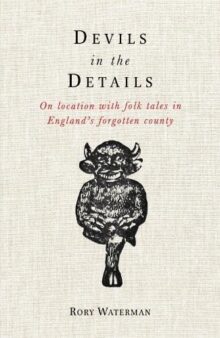
Devils in the Details: On Location with Folk Tales in England’s Forgotten County, by Rory Waterman

Devils in the Details: On Location with Folk Tales in England’s Forgotten County, by Rory Waterman

An examination of Lincolnshire's folklore, tracing how legends like Yallery Brown and the Lincoln Imp have evolved over time through storytelling, embellishment, and cultural memory

Lincolnshire often seems to be a forgotten county even though it is the second largest in England. It has no motorways, a sketchy rail network post Beeching and is stereotyped as a place of flat agricultural land and cheap seaside holiday resorts. That is to ignore...
Gambling with the Dead

Gambling with the Dead

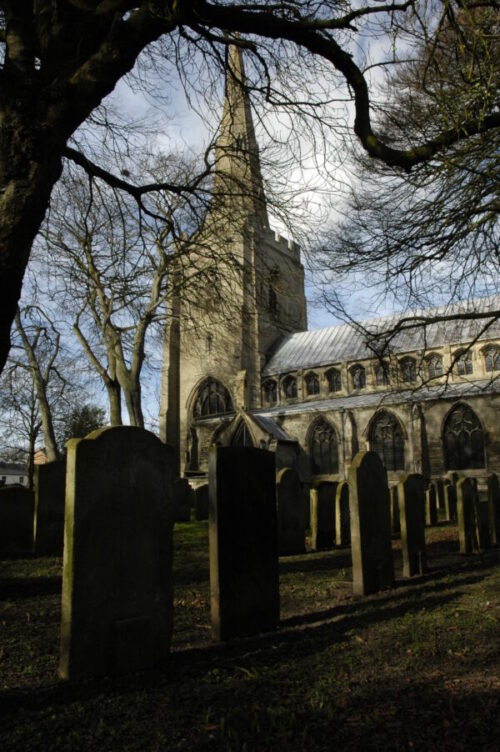
A grisly Lincolnshire folktale from Holbeach tells of the gambling antics of three drunken men in a churchyard, a story that passed into local legend as an enduring warning of sacrilege, remorse, and supernatural retribution.
Rory Waterman

In 1783 (or in some accounts 1793), three men were allegedly playing cards in the Chequers Inn, Holbeach, and talking about a friend who had recently died and who used to make up a foursome with them. They hatched a plan that must have seemed like a bloody good one...

Willie, Willie, Harry, Stee, by Charlie Higson

Willie, Willie, Harry, Stee, by Charlie Higson

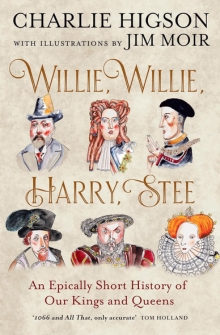
A lively survey of English and British monarchs that combines humour with a broadly informative narrative of the nation’s past.

Whether you are interested in being introduced to British history, or you are familiar with it, Willie, Willie, Harry, Stee, will prove to be a find. Borne out of a successful podcast of the same name, Charlie Higson has written a book which entertains and educates in...

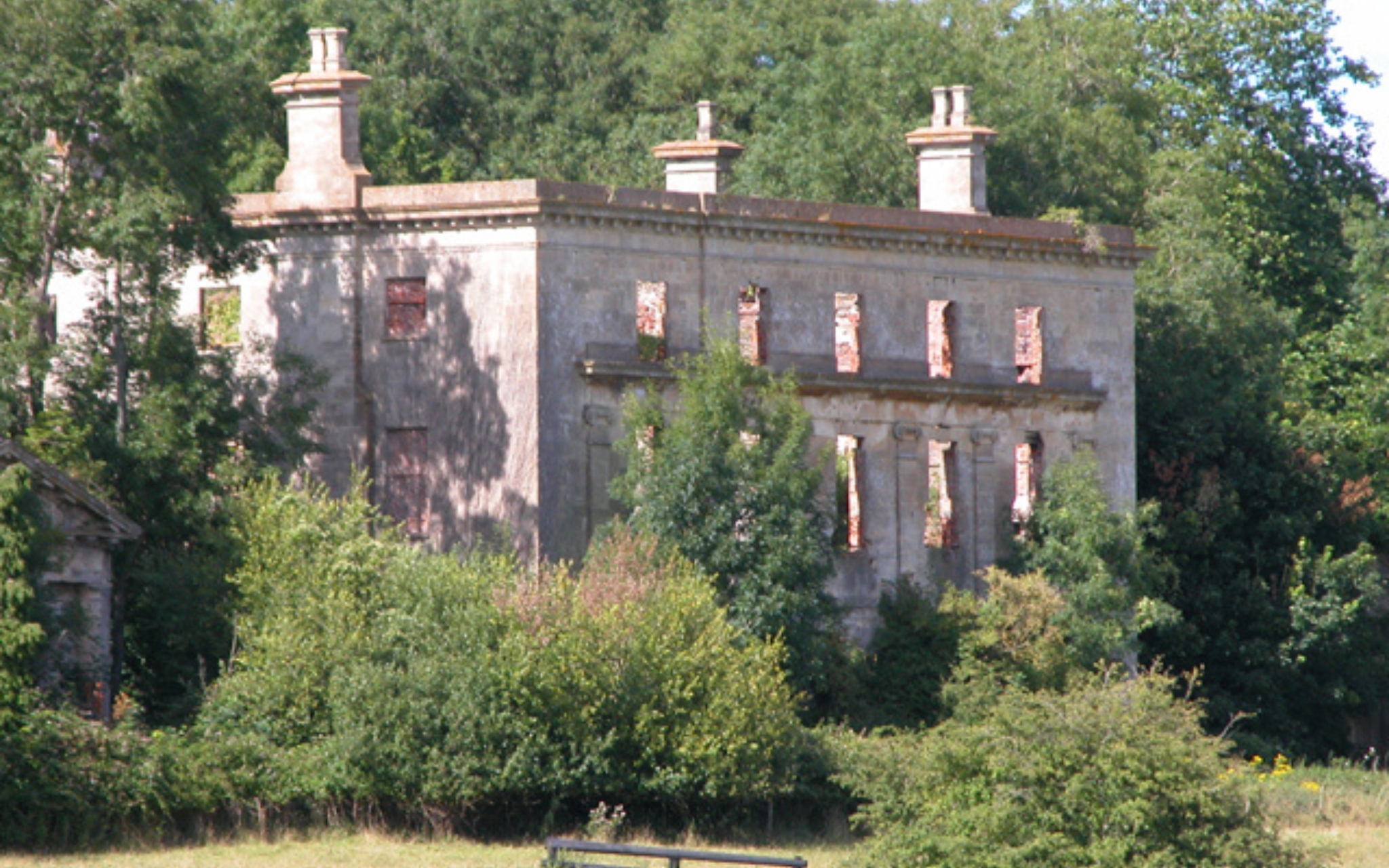
Piercefield: The Time and the Place

Piercefield: The Time and the Place

The story of Piercefield House near Chepstow, a once-celebrated estate overlooking the River Wye that later fell into ruin.

The setting of a story is vital for a historical novelist, perhaps even more than for those whose books are set in the present. This is for the blindingly obvious reason that a contemporary novel is set in a place or a milieu, whereas a historical novel has not only a...

Profit, Power, and the Making of Modern Britain

Profit, Power, and the Making of Modern Britain

From the Black Hole of Kolkata and the Battle of Plassey to the Lancashire mills, Britain’s economic headway in the 18th century hinged on war, commerce, empire, and, above all, the ruthless pursuit of profit.
Edmond Smith

The Business of Conquest In 1756, the East India Company decided to strengthen its position in Kolkata by investing heavily in new fortifications. The Indian city had grown from only a few thousand people to around 400,000 in only fifty years – larger than any town in...

Books of 2025 from Aspects of History

Books of 2025 from Aspects of History

Our authors and contributors recommend the titles they've enjoyed this year

Books of 2025 from Aspects of HistoryZeb Baker-Smith Editor of Aspects of HistorySeven Rivers by Vanessa Taylor explores how humanity and waterways have shaped one another across millennia, offering vivid historical portraits of the Nile, Danube, Ganges, Thames,...

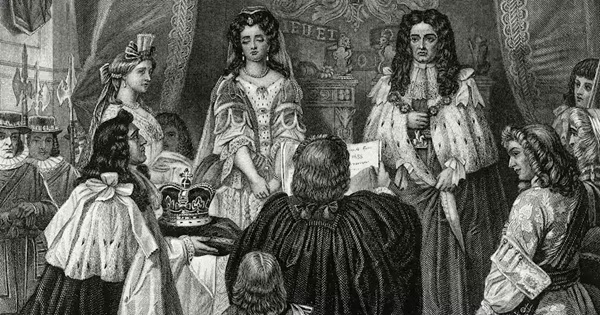
Whig vs Tory

Whig vs Tory

A new book examines the influential period between the Glorious Revolution and the Hanoverian accession.
George Owers

Whig vs Tory During the pulsating and action-packed months of 1712, 1713 and 1714 many people, including a hefty chunk of MPs, were convinced that the country teetered on the edge either of the imposition of an absolutist Roman Catholic King and the extirpation of the...

Thomas Messel

Thomas Messel

The novelist discusses writing and his ancestor, Elizabeth Linley.

Thomas Messel, what first attracted you to the period or periods you work in? The focus of my study was a late eighteenth-century ancestor called Elizabeth Linley. I was aware that she eloped with and married the playwright Richard Brinsley Sheridan, but initially, I...

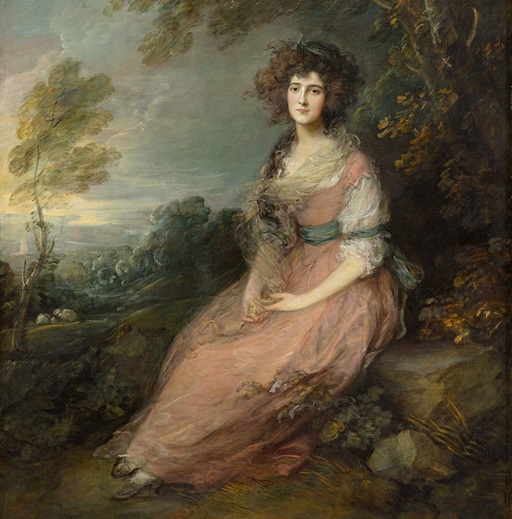
Elizabeth Linley, 1754-1792

Elizabeth Linley, 1754-1792

The story singer and the beacon of the Whig party.

Elizabeth Linley at the age of seventeen is England’s most celebrated singer. Her beauty and voice can captivate the King, or send an audience into a state of wild infectious hysteria, but suddenly and mysteriously she disappears during the night of March the 18th...