Home » 17th C

17th C

Whig vs Tory

Whig vs Tory

A new book examines the influential period between the Glorious Revolution and the Hanoverian accession.
George Owers

Whig vs Tory During the pulsating and action-packed months of 1712, 1713 and 1714 many people, including a hefty chunk of MPs, were convinced that the country teetered on the edge either of the imposition of an absolutist Roman Catholic King and the extirpation of the...

Separating Religion and Politics: A Mayflower Pilgrim Perspective

Separating Religion and Politics: A Mayflower Pilgrim Perspective

Independent Protestants landed on Plymouth Rock in November 1620.

With Americans celebrating Thanksgiving at the end of the month, November seems a good time to consider the Pilgrims who sailed on the Mayflower from Europe in 1620. Whilst researching my Alexander Baxby mystery Paying in Blood, I learnt more about their roots in...

Echoing Greens: How Cricket Shaped the English Imagination, by Brendan Cooper

Echoing Greens: How Cricket Shaped the English Imagination, by Brendan Cooper

A rich quarry for artists and writers alike, the psychology and morals of an era can be unearthed from cricket's plotlines and characters.

Echoing Greens: How Cricket Shaped the English Imagination, by Brendan Cooper It is now a cliché - perhaps always has been - to refer to cricket as a rich quarry for artistic achievement, even as mainstream coverage becomes less fixated on the written word and more...

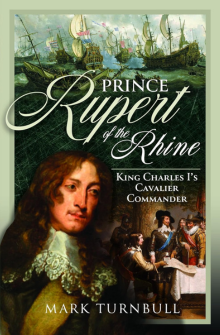
Prince Rupert of the Rhine: King Charles I’s Cavalier Commander, by Mark Turnbull

Prince Rupert of the Rhine: King Charles I’s Cavalier Commander, by Mark Turnbull

A new biography uncovers just how much of a mark the 17th-century prince left on Stuart Britain.
Steven Veerapen

Prince Rupert of the Rhine: King Charles I’s Cavalier Commander, by Mark Turnbull Following his extraordinary study of Charles I’s private life, Mark Turnbull now turns his attention to another major player in the Wars of the Three Kingdoms, Prince Rupert of the...

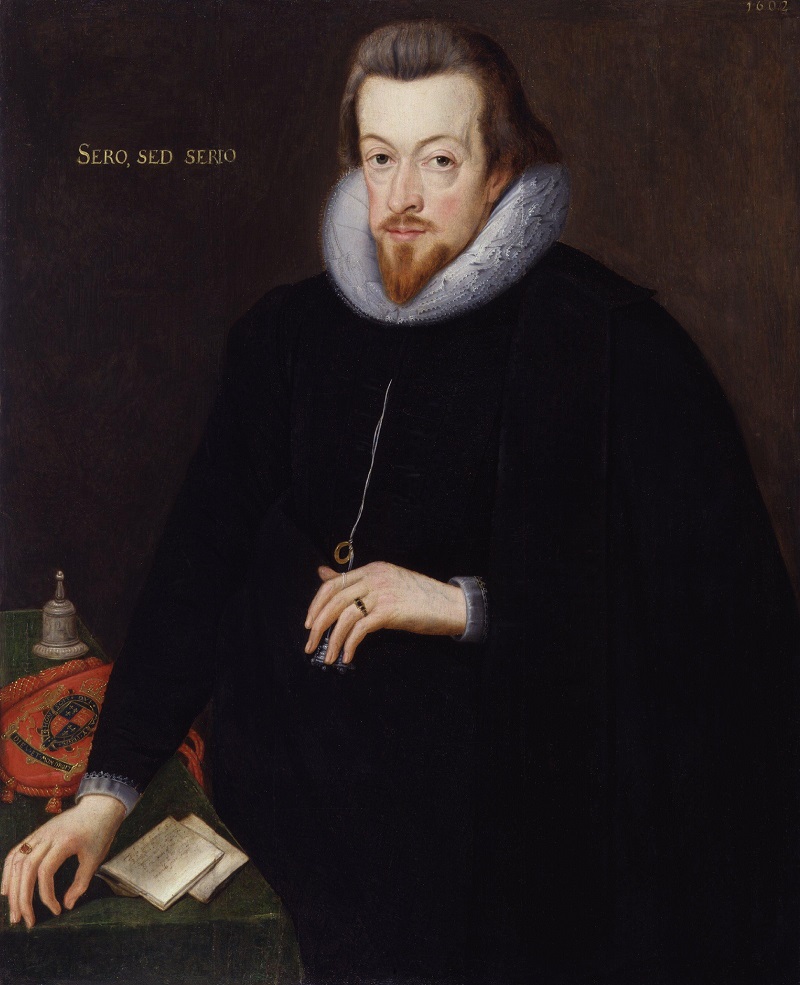
The Succession of King James: A Robert Cecil Masterclass

The Succession of King James: A Robert Cecil Masterclass

The transition from Elizabeth I to James I is examined by the historical novelist.
Karen Haden

The Succession of King James Recently, some have suggested that Scottish King James stole the English throne after Queen Elizabeth's death in 1603. Although it is impossible to prove Elizabeth really named him as her successor on her death bed, as is usually claimed,...

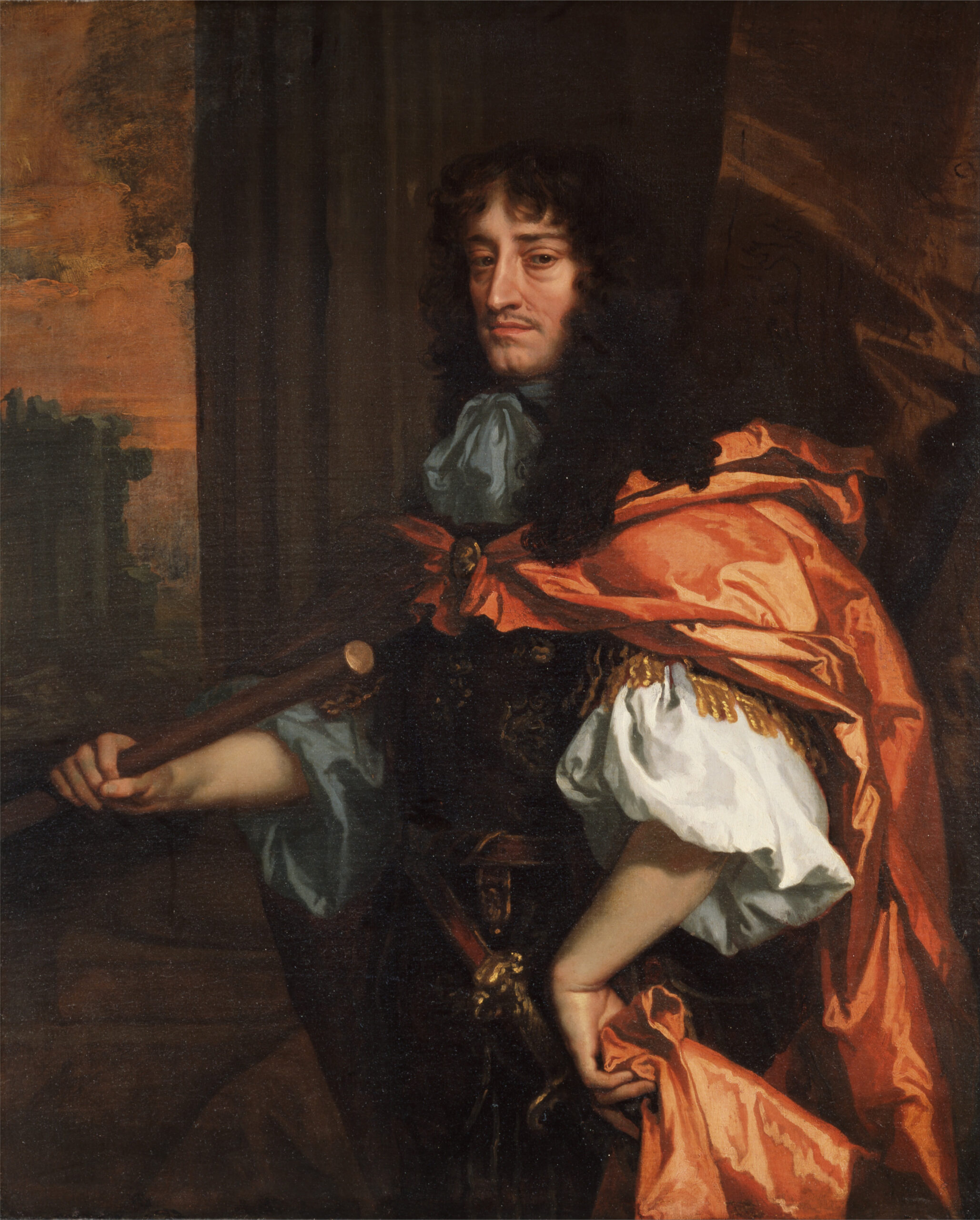
Historical Heroes: Prince Rupert of the Rhine

Historical Heroes: Prince Rupert of the Rhine

A dashing cavalier or a Prince Robber - a new biography re-examines the life of a key figure in the tumult of the 17th century

Historical Heroes: Prince Rupert of the Rhine Though this is an article about Rupert as a historical hero, I should, ironically, start by pointing out that he is also considered to be a historical villain! In his heyday enemy propaganda named him ‘Prince Robber’ or...

Naming the Dead

Naming the Dead

Religious fervour in the Dutch Republic is at the centre of a new novel.

My second Alexander Baxby novel Naming the Dead is an exciting tale of murder, mystery and suspense, set against the colourful backdrop of early seventeenth century Amsterdam. Political and religious intrigue are closely entwined, as in the first book Paying in Blood....

Eighteen: A History of Britain in 18 Young Lives, by Alice Loxton

Eighteen: A History of Britain in 18 Young Lives, by Alice Loxton

In this wonderfully entertaining book, written with assured flair, historian Alice Loxton takes the age of eighteen as a unifying theme for telling the story of Britain.
Richard Stone

Views on age and life’s milestones have changed over time. In the last century average life expectancy exceeded what we would call middle age for the first time and in the process changed perspectives. Empress Matilda, one of the subjects of Eighteen, married Henry V...

Who Tells the Story?

Who Tells the Story?

The 1601 Essex Rebellion through different eyes.

Who Tells the Story? In August 1999 Cornwall experienced a total eclipse of the sun on a cloudy day. Positioned along the south coast, BBC and other journalists reported the national disappointment. Locals and tourists on the north coast had a wonderful view,...

The Age of Reason

The Age of Reason

The Age of Reason was a period of extraordinary advancement in all facets of European culture, but there was a price to be paid.

Between the end of the Renaissance and the start of the Enlightenment, Europe lived through an era known as the Age of Reason. This was a period which saw widespread advances in the arts and sciences. Artists such as Caravaggio, Rembrandt and Van Dyk flourished across...