Lincolnshire often seems to be a forgotten county even though it is the second largest in England. It has no motorways, a sketchy rail network post-Beeching and is stereotyped as a place of flat agricultural land and cheap seaside holiday resorts. That is to ignore its rich history, a stunning cathedral in its county city and a beautiful and varied landscape including the Wolds and miles of golden beaches.
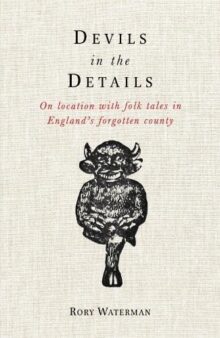
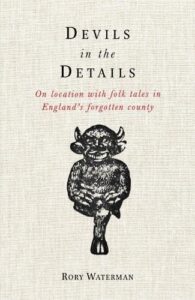
It’s folklore too is as deep and varied as any other county and in Rory Waterman’s deeply fascinating Devils in the Details he explores various folk tales veracity and how they originated as well as how they have been added to and embellished over the years. As someone who has also been inspired by the people and landscape of Lincolnshire in my dramatic writings involving such figures as Harold Davidson and Ethel Rudkin as well as the legend of Yallery Brown I was particularly keen to read what Waterman has to say and was thoroughly delighted by the result.
The book ranges around the county and takes in the history of the Lincoln Imp, stories of boggarts, witches, murders and abandoned RAF stations as well as interesting digressions such as the fate of the aforementioned Harold Davidson and the Battle of Winceby which almost saw the course of the English Civil War go in a different direction as according to some accounts Oliver Cromwell only narrowly survived it.
One chapter focuses on Yallery Brown, a malevolent boggart figure who seemingly brings magical good fortune at first to a farmhand called Tom but by the end he is wracked by ill luck. Waterman delves into the origins of the story and explores its many variations including his own telling of it as well as a rather bizarrely Disneyfied cartoon one. This exemplifies his approach in much of the book by showing how these folk tales were created and handed down orally with the opportunities for further additions that often defied logic.
Another chapter centres on abandoned RAF stations of which Lincolnshire has plenty and there is something especially poignant about them. They have given rise to a few ghost stories supposedly based on fact and one was written down by a 1960s writer who claimed to have verified it but Waterman argues that he either invented it or pulled the various strands together that others had made up into a narrative. With these kind of folk tales as outlined across the book, Waterman contends, authors have no ownership over them as they have captured the imagination and further mutate as they are retold both orally and in print.
Waterman has an easy style of writing which belies the depth of research and knowledge that is highly prevalent throughout the book. There are often pithy and waspish asides as well as biographical anecdotes. In some ways it reminded me of Edward Parnell’s Ghostland: In Search of a Haunted Country, another book which combines the strange and mysterious with personal memoir to great effect. It may focus on Lincolnshire and rightly so given its relative neglect but it’s a wonderful addition to the canon of folklore study.
Benjamin Peel is a writer of plays, monologues, short films and audio dramas, including Not a Game for Girls which has been produced five times.