

Home »
The British Empire

The African Kingdom of Gold: Britain and the Asante Treasure, by Barnaby Phillips
A thoughtful history of the Asante treasures traces their journey through conquest, exile and contested repatriation and sheds light on the urgency of the debate over colonial legacies today.
Much is made to make history relatable to audiences, readers and listenerships in the 2020s, whether that is parallels with bygone eras, the immutable notion that we can plot what will come from what once happened. Barnaby Phillips’ The African Kingdom of Gold can lay...

Oneworld Books
Oneworld is an award-winning independent publisher of ambitious non-fiction. Our history list includes acclaimed and bestselling titles such as Black Tudors and A History of Britain in 21 Women.
Books Click on any of the books covers below to either buy or get more information on Amazon From the Publisher Oneworld was founded in 1986 by husband and wife team Juliet Mabey and Novin Doostdar as an independent publishing house focusing on stimulating...

How Protestantism Became a Global Religion – An Interview with Alec Ryrie
Protestantism’s early movements across the globe reveal a tangled world of rivalry with Catholicism, complicity with empire and slavery, and failures that exposed the limits of Europe’s religious imagination – all discussed between the author and the Editor.
That word, mission, might make you think of Robert De Niro or Jeremy Irons, perhaps a young Liam Neeson, in Jesuit robes clambering up the Iguazu Falls in deepest South America, but, forgotten and less-documented as their efforts may be, there was a Protestant...

AoH Book Club: Gautam Hazarika on The Forgotten Indian Prisoners of World War II
In conversation with Phil Craig on the Aspects of History podcast, the historian addresses the experiences of Indian POWs across Southeast Asia, from the difficult choice of joining the Indian National Army to escapes, captivity, the impact on families and the ways their stories have been remembered.
Hello Gautam – a year on from publication, it seems the perfect opportunity to talk to you about The Forgotten Indian Prisoners of World War II: Surrender, Loyalty, Betrayal and Hell, our Book Club pick for August. What first drew you into the history of the Indian...

AoH Book Club: Phil Craig on 1945: The Reckoning: War, Empire and the Struggle for a New World
A year on from publication, the historian explains to the Editor how the final months of the Second World War exposed tensions between Britain and the Allies’ wartime ideals and imperial ambitions.
Great to have you in the interviewee’s chair for once, Phil. So 1945: The Reckoning has, a few months ago, celebrated its 1st birthday. It was the culmination of a kind of trilogy on Britain and the Second World War. What drew you to the final year of the war, and why...
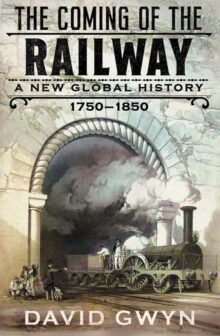
The Coming of the Railway: A New Global History, 1750-1850, by David Gwyn
A wide-ranging account of how innovation, economic conditions and ambition transformed early railways into a global revolution that reshaped the modern world.
When Britain’s history is told, the railway is usually suddenly introduced in the early to mid-19th century. Yet long before this, it was quietly developing, shaping the future of transport. This early period of rail development is the subject of David Gwyn’s latest...

The Coming of the Railway – A Conversation with David Gwyn
The historian explains to Michael Mccomb how railways evolved from wooden structures into modern transport systems, altering industry, commerce and society across Britain in the 18th and 19th centuries.
Welcome to Aspects of History, David. Could you provide our readers with an outline of your latest book, The Coming of the Railway: A New Global History 1750-1850? The book sets out to trace the transformation of a mechanical handling system into the main overland...
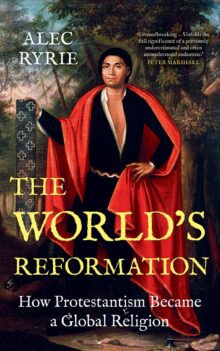
The World’s Reformation: How Protestantism Became a Global Religion, by Alec Ryrie
A nuanced and globe-spanning examination of how Protestantism’s often chaotic missionary efforts helped shape the early modern world.
In a secular age, religious history can feel slightly tangential and recondite, particularly when set against the commercial and colonial designs of fledgling empires in the early modern age. Very well, except that is missing the point. Reformation Europe remains a...
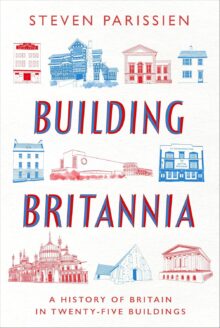
Building Britannia: A History of Britain in 25 Buildings, by Steven Parissien
British history is traced through 25 iconic buildings – from Maiden Castle to 30 St Mary Axe – in this blend of architectural perusal and cultural insight.
Dr. Steven Parissien’s latest retelling of history through architecture, Building Britannia: A History of Britain in Twenty-Five Buildings, begins with Maiden Castle in Dorset, which dates from around 600 BC. In the words of John Cooper Powys, this resembles ‘the...