
Home » WW2

WW2

Charles Spicer

Charles Spicer

Charles Spicer is the author of the recently published Flying Pianos: The Eccentric Birth of British Aviation (published in the US as The Fight for the Skies). His first book Coffee with Hitler: The British Amateurs Who Tried to Civilise the Nazis, published in 2022, was a Telegraph and Spectator book of the year.
Charles Spicer

Books Click on any of the books covers below to either buy or get more information on AmazonArticles Click on the links below to read the full article[dpdfg_filtergrid custom_query="advanced" use_taxonomy_terms="on" multiple_taxonomies="name_of_author"...

Charles Spicer

Charles Spicer

The author of Flying Pianos discusses his fascination with the interwar period, his approach to research and the importance of well-written history, discussing everything from the legacy of the Second World War and how 20th-century history ought to be taught.

Welcome to Aspects of History, Charles. What first attracted you to the period or periods you work in? My teenage fiction reading was prewar novelists like Waugh, Buchan, Wodehouse, Powell, Nancy Mitford, Orwell et al. and I relished the art, architecture, fashions...

Remember Always To Be Bold: The Secret Underwater War of Decima MAS

Remember Always To Be Bold: The Secret Underwater War of Decima MAS

The author of Hunter Class details the story of Italy’s Decima MAS frogmen, whose daring raids on Allied shipping at Alexandria and Gibraltar would help inspire the world of Ian Fleming's James Bond.

The Italian Navy’s elite Decima Flottiglia MAS (10th Torpedo-Armed Motorboat Flotilla) was one of the most successful commando units of WWII, carrying out spectacular raids against Allied shipping. I have attempted to weave their skill and daring into my novel Hunter...

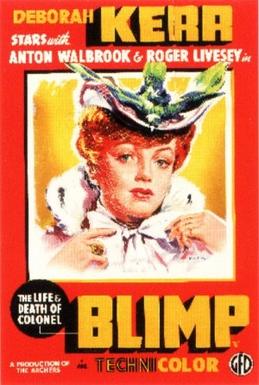
Kinematograph: Colonel Blimp vs. Mr Churchill

Kinematograph: Colonel Blimp vs. Mr Churchill

Michael Powell and Emeric Pressburger’s film became embroiled in a battle with Churchill and the War Cabinet, who came close to suppressing a film now regarded as one of British cinema’s greatest achievements.

It’s now recognised as a British wartime classic made by one of the country’s finest-ever directors. But The Life and Death of Colonel Blimp is a film that was debated four times by Britain’s War Cabinet amidst Winston Churchill’s hope that it could be banned. So what...

Promote Your Writing with Aspects of History

Promote Your Writing with Aspects of History

Are you a historian, historical novelist or publisher looking to raise your coverage and sales? We can help!
Aspects of History

We have posted a guide about some of the ways in which we can help writers promote their work. An Aspects of History Monthly Promotion We will host an article, author interview and book review on our site and promote through X too. Lines from reviews can be lifted to...

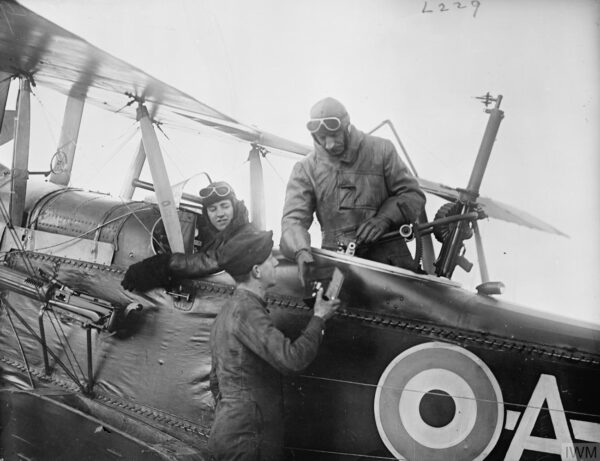
The Turbulent Birth of British Aviation

The Turbulent Birth of British Aviation

From innovative Edwardian pilots and the first transatlantic flight to the technological leaps of the First World War and the development of the Spitfire, the historian makes the case that the eccentric pioneers who paved the way for Britain’s place in the skies deserve more of the limelight.
Charles Spicer

Nearly sixty years after his fellow countrymen, Orville and Wilbur Wright, first flew an aeroplane with an engine, President John F. Kennedy, addressing a large crowd at a university in Texas, reaffirmed America’s ambitions to be the first country to land a man on the...

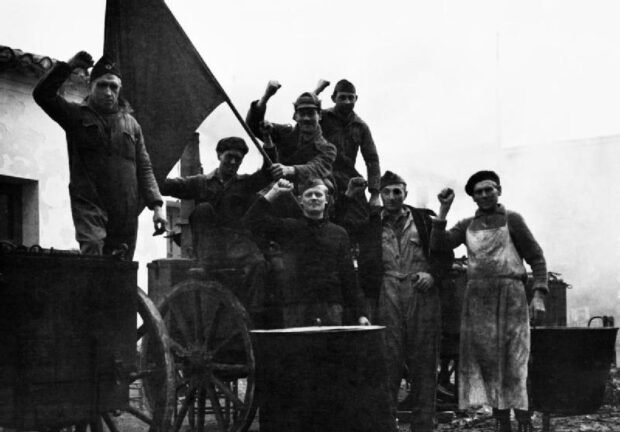
Foreign Volunteers and the Global Civil War: Why 35,000 People Fought in Spain

Foreign Volunteers and the Global Civil War: Why 35,000 People Fought in Spain

The novelist uncovers the motivations of those volunteers who joined the International Brigades who travelled to fight Franco’s forces during the Spanish Civil War and probes opposition to fascism across Europe between the World Wars.
Brian Devitt

Nearly a century ago, people from around the world left their homes and everything dear to them to volunteer to fight against the rising tide of fascism. After World War I, conditions in Europe were bleak. This helped fuel the rise of fascism, leading to Benito...

Beyond The Edge of Light: History behind the Fiction

Beyond The Edge of Light: History behind the Fiction

Melding family history with real wartime figures and events, the author outlines the inspirations at play behind his Second World War love story, ranging from the ruined palaces of East Prussia, Bletchley Park, developments in RADAR and a paratrooper raid on Fort Ében-Émael.
Jamie Lowther-Pinkerton

My novel, Beyond the Edge of Light, is a love story set in the late 1930s and the first year of the Second World War.  It tells the tale of two young people, one English, one German. Julia Ormesby, known as ‘Missie’, was brought up on the wild North-West Frontier of...

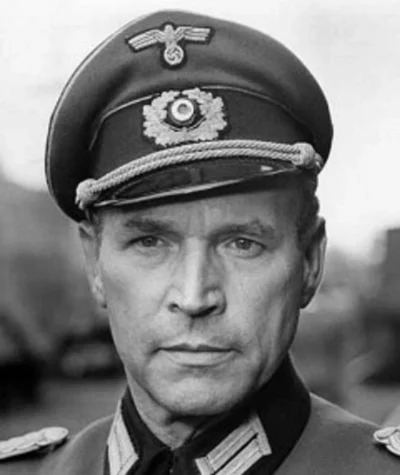
Kinematograph: Wolfgang Preiss – from Nazi Star to the Star Who Played Nazis

Kinematograph: Wolfgang Preiss – from Nazi Star to the Star Who Played Nazis

In the first in a monthly column on film history, the historian explores the career of an actor who rose to prominence under Goebbels and became one of international cinema’s most recognisable Nazis, from The Longest Day to A Bridge Too Far.

Duplicitous in Hannibal Brooks and Von Ryan’s Express, ruthless in The Train, thrown from a dam in The Boys from Brazil – but always a Nazi. For decades after WW2, Wolfgang Preiss enjoyed an international film career which made him a regular in Hollywood war films....

De Gaulle: Liberté – Review

De Gaulle: Liberté – Review

A love letter to France, and probably its salvation
Angèle Fontaine

I went in fully expecting to cry, and cried anyway, for most of the duration. Knowing how a story ends turns out to be no protection at all. Baudry's second part opens at the end of 1942 and closes in the autumn of 1944, and it is a different beast from the first....